Your home should still suit you in twenty years
Our homes are constantly evolving. Family needs change, energy standards improve, technology advances, accessibility requirements and potentially future legislation become increasingly important. What works today may not suit your lifestyle ten or twenty years from now.
Making informed decisions today
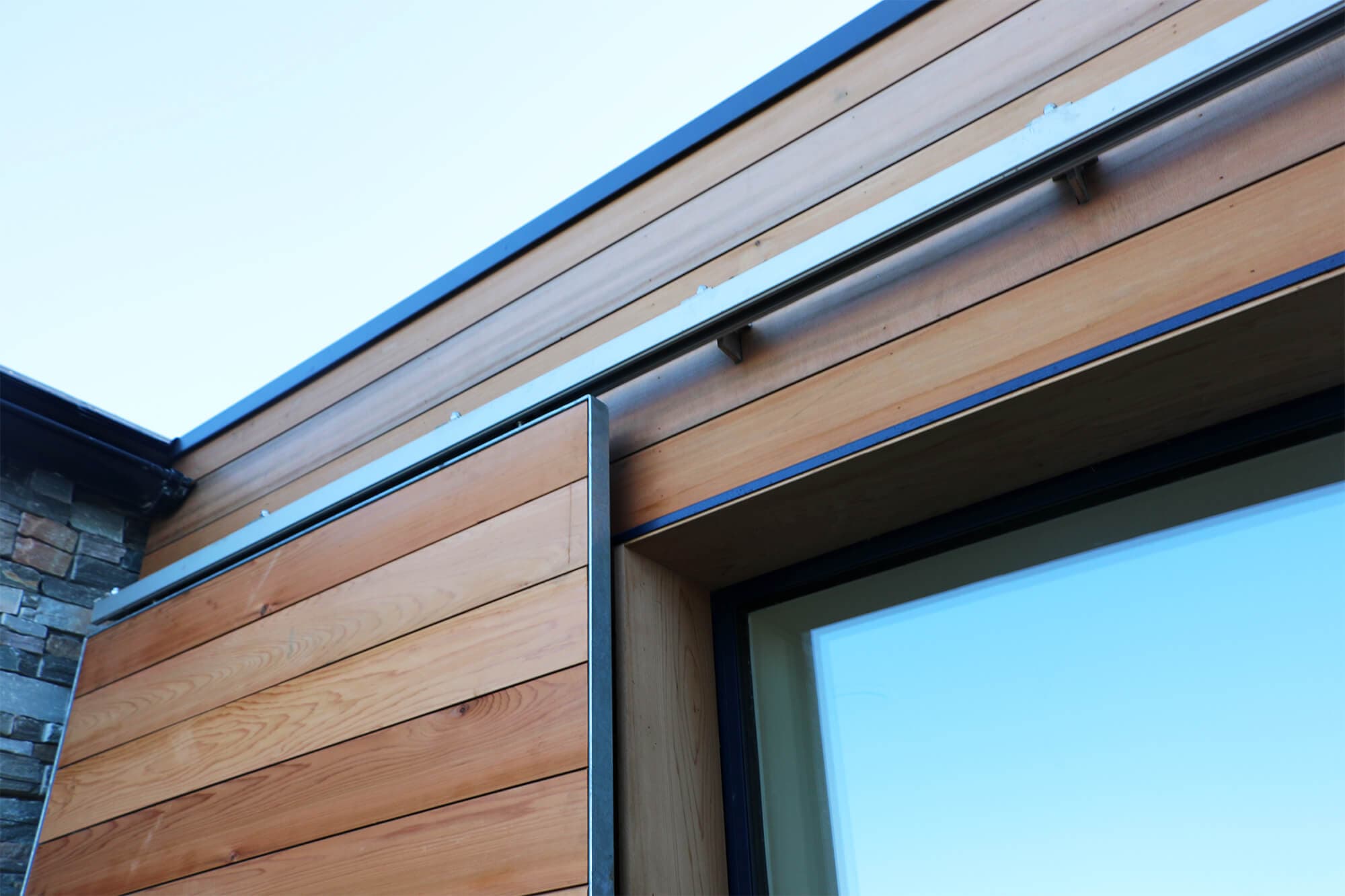
Future proofing is about making informed decisions today that improve comfort, efficiency, adaptability, and long-term value for the years ahead.
Whether you are upgrading an existing home, planning a renovation, or considering a larger transformation, we can help you create a home that is more resilient, energy efficient, and better suited to your future needs.
What is future proofing?
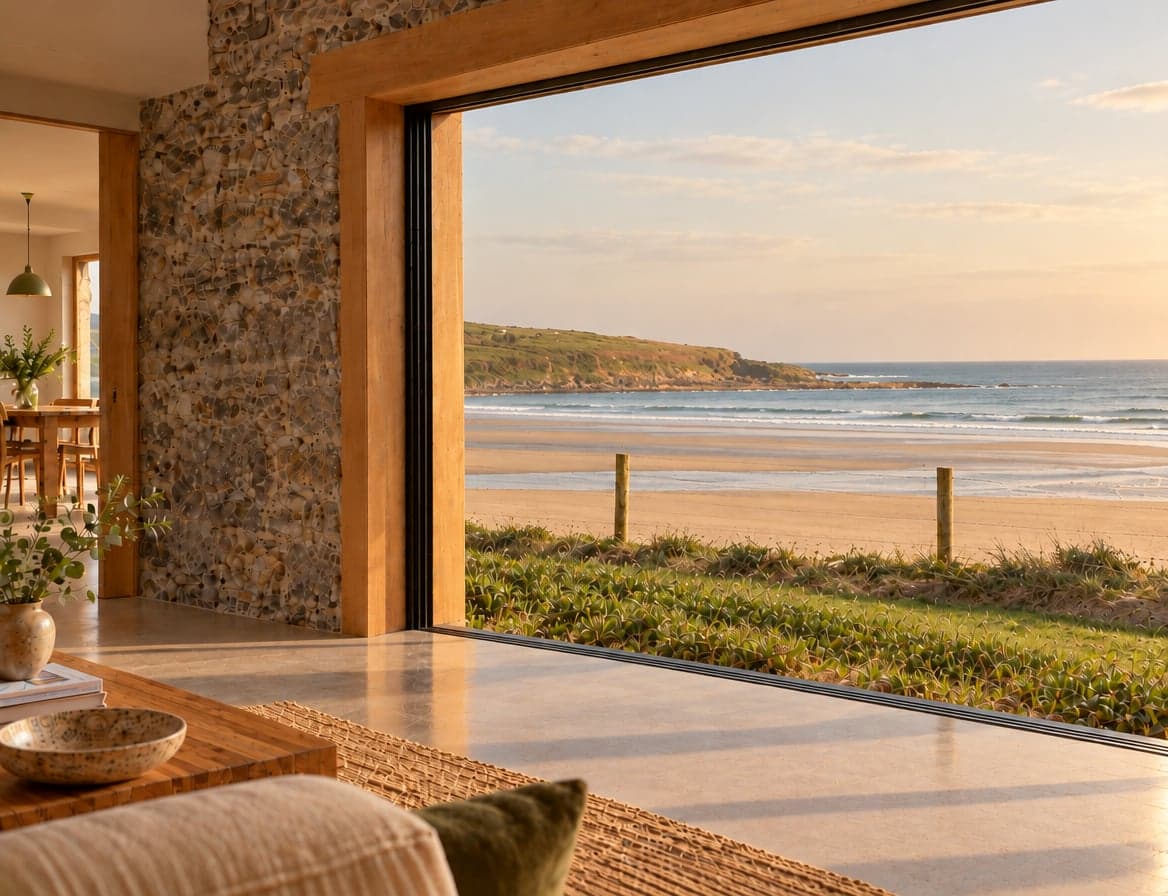
Future proofing involves adapting your home to meet changing standards, changing lifestyles, and changing technologies.
It is about looking beyond immediate requirements and considering how your home can continue to perform effectively in the future.
Future proofing may include:
- Improving energy efficiency
- Reducing heating costs
- Enhancing comfort levels
- Upgrading insulation and airtightness
- Integrating renewable energy systems
- Improving accessibility
- Preparing for changing family needs
- Extending the lifespan of the building
- Increasing property value
Many homeowners choose to future proof their property gradually, while others incorporate these improvements as part of a larger renovation or extension project.
Why future proof your home?
Building regulations, energy performance standards, and homeowner expectations continue to evolve.
A future-proofed home can provide:
Lower running costs
Improved insulation, better airtightness, and efficient heating systems can significantly reduce energy consumption, heating bills and even mortgage repayments.
Greater comfort
Reducing draughts, cold spots, and heat loss creates a more comfortable living environment throughout the year.
Improved sustainability
Reducing energy demand and integrating renewable technologies helps lower environmental impact and supports long-term sustainability goals.
Increased property value
Energy-efficient, adaptable homes are becoming increasingly desirable and may perform better in future property markets.
Adaptability for changing needs
Future proofing allows your home to adapt to changing family circumstances, mobility requirements, and lifestyle changes without requiring major alterations later.
Energy efficiency upgrades
One of the most common aspects of future proofing is improving the thermal performance of the building.
Insulation improvements
Older homes often lose significant amounts of heat through walls, roofs, and floors.
Potential upgrades may include:
- Cavity wall insulation
- Internal wall insulation
- External wall insulation systems
- Roof and attic insulation
- Floor insulation improvements
External insulation systems can effectively wrap a building in a continuous thermal layer, reducing heat loss while protecting the structure from weather exposure.
Airtightness improvements
Modern construction standards place increasing emphasis on airtightness.
Reducing uncontrolled air leakage can:
- Improve comfort
- Reduce heating demand
- Minimise draughts
- Improve energy performance
Common improvements include:
- Upgrading windows and doors
- Sealing service penetrations
- Improving roof, wall & floor junction details
- Installing modern airtight membranes
- Using specialist tapes and sealing systems
Every building is different, and it is important to balance airtightness improvements with proper ventilation to maintain healthy indoor air quality.
Window and door upgrades
Windows and doors are often among the weakest thermal elements in older homes.
Future-proofing upgrades may include:
- High-performance double glazing
- Triple glazing
- Improved frame systems
- Better weather sealing
- Enhanced solar control glazing
The right solution depends on the age, construction type, and character of the building.
Renewable energy systems
Modern homes increasingly rely on renewable technologies to reduce energy consumption and improve environmental performance.
Heat pumps
Air source and ground source heat pumps can provide efficient heating while reducing dependence on fossil fuels.
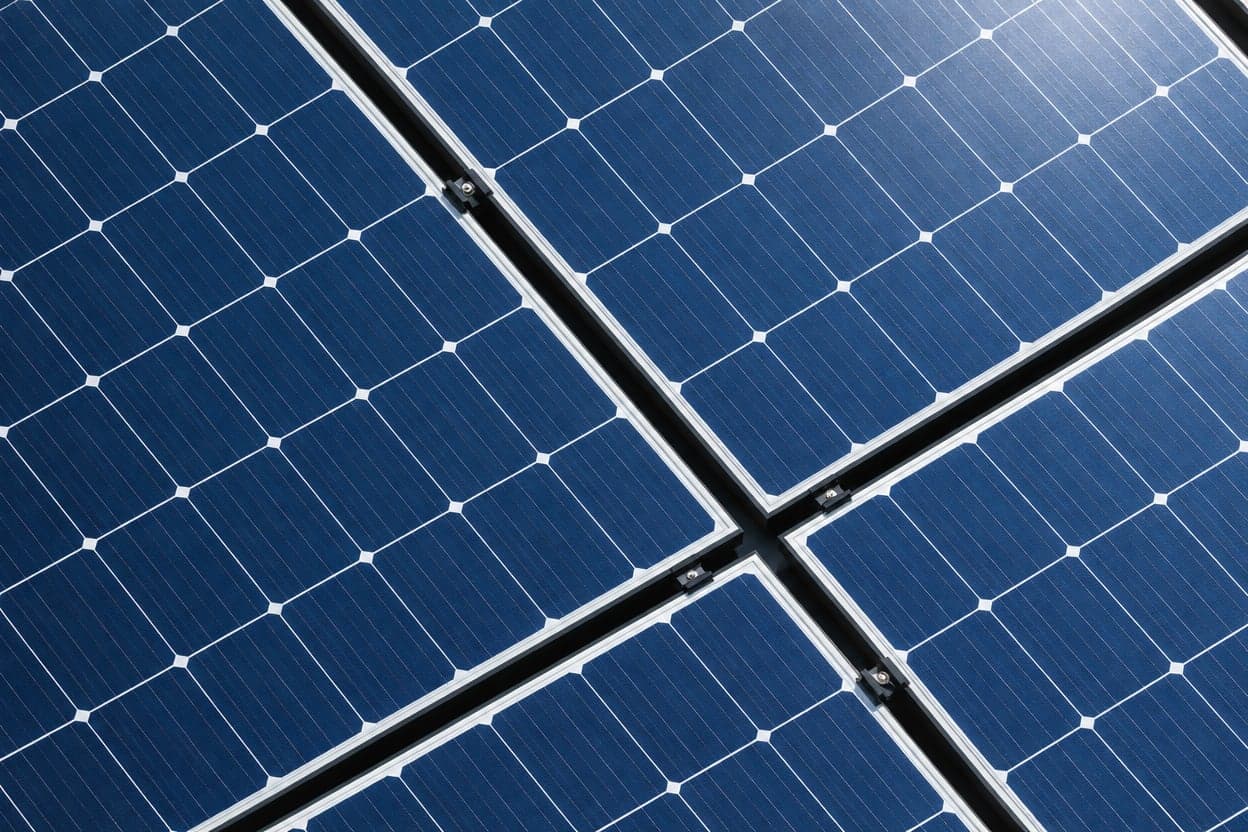
Solar photovoltaic panels
Solar panels generate electricity directly from sunlight and can reduce reliance on grid electricity.
Solar thermal systems
Solar thermal collectors can help provide domestic hot water.
Battery storage
Battery systems can store surplus electricity generated during the day for use during evenings and peak demand periods.
Smart energy management
Smart controls allow homeowners to optimise energy usage and monitor performance more effectively.
We can help assess which technologies may be appropriate for your home and your long-term objectives.
Accessibility and universal design
Future proofing is not only about energy performance.
As families grow older and circumstances change, accessibility can become increasingly important.
Universal Design seeks to create homes that remain practical, comfortable, and accessible throughout different stages of life.
Possible adaptations may include:
- Level access entrances
- Wider doorways
- Accessible bathrooms
- Improved circulation spaces
- Ground floor bedrooms
- Accessible en-suite facilities
- Reduced thresholds
- Improved lighting and wayfinding
Many of these features can be incorporated discreetly and attractively without compromising the character of the home.
Future proofing through renovation
Many homeowners assume future proofing requires major reconstruction.
In reality, meaningful improvements can often be achieved through carefully planned renovation works.
Projects may range from:
- Energy upgrades
- Internal reconfiguration
- Accessibility improvements
- Window and door replacements
- Heating system upgrades
- Partial refurbishments
By taking a holistic view of the building, we can help identify which improvements are likely to provide the greatest long-term benefit.
Our approach
Every home is different.
Rather than applying generic solutions, we assess each property individually and consider:
- What consultants you may need
- Existing building performance
- Construction methods
- Site conditions
- Lifestyle requirements
- Future family needs
- Energy objectives
- Budget considerations
- Long-term maintenance requirements
Our goal is to help you make informed decisions that provide lasting value while improving the comfort, efficiency, and functionality of your home.
Future proofing through extensions
An extension provides an excellent opportunity to improve both the existing house and the new accommodation. A carefully designed extension can improve how a home functions today while preparing it for future needs.
Future-proofing opportunities within an extension project may include:
- Creating adaptable living spaces
- Improving circulation throughout the house
- Adding accessible accommodation
- Upgrading thermal performance
- Introducing renewable technologies
- Improving daylight and ventilation
- Enhancing connections to gardens and outdoor spaces
Common questions
Do I need to future proof my entire house at once?
No. Many homeowners choose to implement improvements gradually over time. We can help identify priorities and develop a phased approach. However, there are some thresholds that will be important to consider.
Is triple glazing always necessary?
Not always. The most appropriate solution depends on the existing building, budget, orientation, and overall energy strategy.
Can older homes be future proofed?
Yes. Many traditional and historic buildings can be upgraded successfully while respecting their character and construction methods. In some cases, grants are available.
Will future proofing increase the value of my home?
While every property market is different, energy-efficient, adaptable homes are generally becoming more attractive to buyers and occupiers.
What is Nearly Zero Energy Building (NZEB)?
NZEB refers to modern energy performance standards that significantly reduce energy demand and encourage the use of renewable energy sources. Read the SEAI NZEB standard
More questions are answered on our FAQ page.
Considering future proofing your home?
Whether you are planning a renovation, extension, energy upgrade, or accessibility improvements, we can help you evaluate the options and develop a strategy that works for your property and your future needs. Good future proofing is not simply about meeting today's standards — it is about creating a home that continues to perform well for decades to come.